
Collaborative Intelligence
Applied Collaborative Intelligence (ACI) happens when humans—supported by artificial intelligence (AI)—create and maintain Human-Certified Knowledge Networks (HCKNs):
- Trusted, versioned knowledge bases that professionals can use (and improve) during real work.
In ACI, AI does not replace professional judgment. It amplifies it—by helping experts build, validate, apply, and continuously improve the knowledge networks that guide complex decisions and documentation.

Insight
The professional knowledge workers of today are the last generation trained exclusively on human-curated knowledge. The pace of AI-generated information is overtaking the rate of human creation and review.
In the absence of careful planning, control of future applied knowledge may shift away from the human collective and toward the controllers of AI technology.
ACI is a response, humans remain in control of the knowledge, and AI becomes a tool for applying and updating that knowledge safely.

Core Mission
Humans—especially experts and licensed professionals—must control and approve the knowledge networks and tools that AI uses to support their complex work.
That requires:
- Efficient data structures that are intuitive for humans and optimized for AI
- Human certification of what knowledge is “true enough” to use
- Seemless workflow, decision support and documentation tools that leverage certified knowlege networks
- Clear provenance and version history
- Workflows that make improvement continuous—not heroic
Opportunity
Historically, it has been prohibitively time-consuming for individuals to maintain living, applied knowledge systems. Instead, professionals rely on a patchwork:
- Textbooks and peer-reviewed publications
- Professional guidelines and trusted online resources
- Local practices and personal heuristics
The explosion of digital social networking, combined with generative and agentic AI, creates a new opportunity:
- Knowledge workers can create and maintain individually certify knowledge networks—while also contributing to and borrowing from the networks of others.
HCKN Example
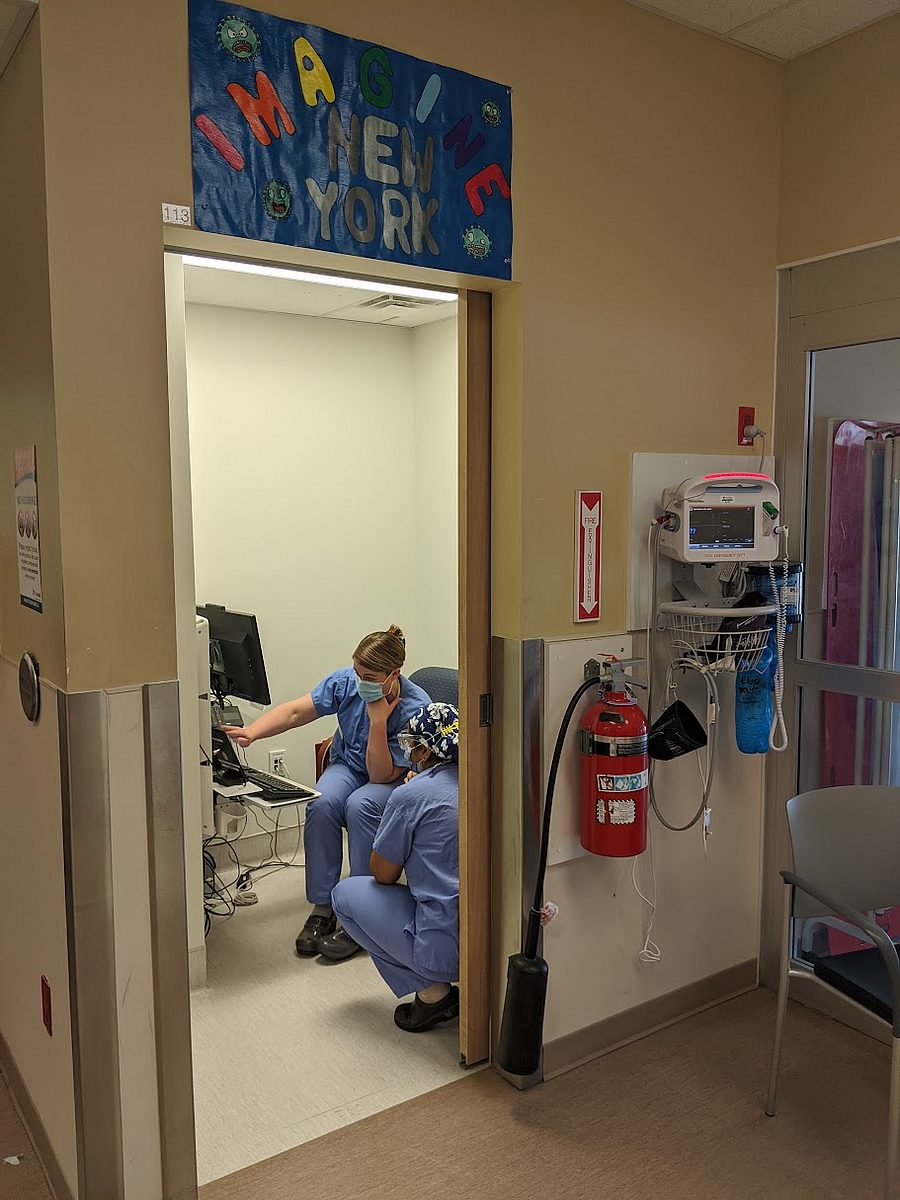
An emergency physician uploads and organizes:
- Preferred references, textbooks, and key papers
- Local protocols and guidelines
- Personal notes, cheat sheets, and “how I do it” decision patterns
AI helps convert this into a personal HCKN: an AI-friendly, human-approved representation of best practices.
During clinical work:
- An AI scribe drafts documentation
- A decision support agent offers suggestions grounded in the physician’s HCKN
When suggestions are wrong or incomplete:
- The physician and AI improve the underlying HCKN outside clinical hours with clear version history and change tracking
Meanwhile, the agent watches for improvements shared by trusted peers and organizations and proposes updates the physician can review, approve, adapt—or reject.

Technology Gaps
1) Trusted HCKN host
A platform designed for humans and AI:
- Text-first knowledge networks stored in human-readable data structure
- Structure optimized for collaboration between humans and AI
- Owned and certified by individuals, teams, and organizations
- Robust privacy, sharing, and collaboration controls
- Robust version history, change tracking, and governance
- Easy exports, imports, and development forks
2) Trusted tools that use HCKNs
Tools that apply user-controlled knowledge networks to complex work:
- Knowledge network creation and continuous improvement
- Decision support and quality monitoring
- Documentation support and structured outputs
- Expert social networking for sharing improvements safely

ACI Summary
- Human-certified knowledge networks for complex professional work
- AI-assisted documentation and decision support grounded in user-owned knowledge
- Collaboration models and governance that keep knowledge human-controlled

Next Steps
Trust is the commodity ACI runs on. The business model must reinforce user benefit, keep control in human hands, and still provide fair, capped returns to the people who take early risks, financial and in-kind.